Networks are living systems. They thrive when they’re intentionally nurtured, but without coordination, even the most promising ones can drift into chaos.
In today’s interconnected, cross-sector work environment, network coordination isn’t just a nice-to-have — it’s a critical capability for driving measurable, lasting impact. Whether you’re leading a public health coalition, a nonprofit partnership, or a multi-agency task force, understanding how to coordinate effectively can mean the difference between activity and impact.
At Visible Network Labs (VNL), we’ve helped thousands of leaders make their networks work better. Here’s what we’ve learned.
💡 In Summary:
- What it is: Network coordination aligns people, processes, and data across organizations toward shared goals.
- Why it matters: Cuts duplication, speeds decisions, and builds transparency and trust—turning activity into measurable impact.
- How to start: Define governance & decision rights, create a shared operating picture (live dashboard/tracker), and measure trust & value regularly (e.g., with PARTNER CPRM).
Table of Contents
What is Network Coordination?
Network coordination is the intentional process of aligning people, organizations, and resources in a network to work toward shared goals. It involves more than facilitating meetings — it’s about managing connections, building trust, and ensuring the network as a whole functions effectively.
Key differences from other roles:
- Network Coordination focuses on logistics, relationship management, and operational alignment.
- Network Leadership sets vision, mobilizes influence, and drives long-term change.
Think of it this way: A leader charts the course; a coordinator makes sure the ship runs smoothly.
How is Network Coordination Unique?
We coordinate in professional settings all the time—aligning project deadlines within a single department, scheduling resources across a worksite, or sequencing steps on a production line. In those contexts, coordination is usually contained within one organization or team, with shared goals, systems, and oversight.
Network coordination is different. It happens across organizational, sector, and sometimes geographic boundaries, where:
- Participants may have different priorities, incentives, and cultures.
- Information is spread across separate systems and workflows.
- No single entity has full authority to direct everyone’s actions.
Because of these differences, network coordination requires formal structures (governance), shared protocols, and active relationship management to keep all parts moving in sync. It’s not just about avoiding scheduling conflicts—it’s about aligning many moving parts, multiple decision-makers, and varying resources toward a common outcome without erasing the diversity that makes the network strong.

Why Network Coordination Matters
When done well, network coordination has numerous benefits for you and your entire ecosystem, including:
- Reduces duplication of effort.
- Increases efficiency and impact.
- Improves trust and transparency among members.
- Helps networks adapt to change.
- Sustains engagement over the long term.
For example, a county health coalition with a skilled coordinator might identify redundant outreach efforts and reallocate resources to underserved neighborhoods — increasing equity and efficiency in one move.
Key Terms & Concepts
Here are some essential ideas and words used in network coordination research and practice:
Network Governance
The rules, roles, and structures that guide how a network makes decisions and gets work done.
Why it matters: Clear governance prevents drift, reduces conflict, and makes collaboration predictable.
Governance Models
Common patterns for organizing a network (e.g., participant-governed, lead organization, network administrative organization/backbone).
Why it matters: Picking the right model for your context (size, trust, complexity) speeds decisions and improves outcomes.
Common Agenda
A shared statement of purpose, outcomes, principles, and measures that all partners commit to.
Why it matters: Aligns priorities and keeps diverse actors rowing in the same direction.
Network Coordination
Aligning actions, timing, and resources so interdependent work fits together.
Why it matters: Converts good intentions into on-time handoffs, fewer gaps, and real results.
Network Collaboration
Co-creating or adapting solutions together (designing, problem-solving, learning).
Why it matters: Produces better, more equitable solutions than any single actor could design alone.
Network Cooperation
Being helpful or supportive without tight interdependence or shared processes.
Why it matters: Useful for low-stakes interactions; don’t mistake it for the deeper muscle of coordination.
Protocols
Agreed, minimal steps for recurring processes (referrals, data sharing, intake, communications, procurement).
Why it matters: Reduces variation, speeds work, and lowers error rates—especially across organizations.
Interoperability
The ability of people, processes, and systems to work together (shared language, standards, and data formats).
Why it matters: Cuts friction in information exchange and prevents “manual glue” workarounds.
Decision Rights
Who decides, on what, by when, and with whose input (e.g., RACI/DACI + decision logs).
Why it matters: Eliminates ambiguity, shortens cycle time, and makes accountability enforceable.
Mutual Accountability
Partners make clear commitments and accept transparent monitoring and consequences.
Why it matters: Protects trust, ensures follow-through, and keeps momentum between meetings.
Aligned Incentives
Benefits and costs structured so partners win by achieving the shared goal (or at least don’t lose).
Why it matters: Removes hidden headwinds that stall decisions and uptake; speeds adoption.
Information Symmetry
All relevant parties see the same current facts (status, owners, deadlines, decisions).
Why it matters: Reduces delays, prevents duplicate work, and builds trust through transparency.
Boundary Spanners
People who bridge teams, sectors, or geographies and translate across languages/jargon.
Why it matters: They create crucial cross-network ties that unblock work and spread learning.
Network Redundancy
Planned backups (roles, data paths, vendors) to handle shocks, emergencies, and departures.
Why it matters: Increases resilience so critical services continue when something breaks. However, too much redundancy creates inefficiencies and waste.
Minimum Viable Centralization (MVC)
Centralize only what improves speed, quality, or equity; keep everything else distributed.
Why it matters: Balances coherence with local flexibility; avoids bottlenecks and single points of failure.

Get our monthly newsletter with resources for cross-sector collaboration, VNL recommended reading, and upcoming opportunities for engaged in the “network way of working.”
How to Do It: Strategies, Tools, and Tactics
Let’s dive into the practice of coordinating networks and partners. These strategies, tools, and tactics make up the core skillset and competencies of an experienced community network coordinator.
Network Coordination Strategies
These are your big-picture plays—the principles that guide all your day-to-day choices.
Build and Maintain Relationships Deliberately: Treat relationships as core infrastructure, not an afterthought. Make time to connect with partners outside of crisis moments. Know their goals, constraints, and preferred ways of working.
💡 Example: Have a monthly “coffee check-in” rotation to keep informal lines open.
Establish Governance Structures Early: Decide how decisions will be made, who holds which roles, and what the escalation process looks like—before the first big conflict.
💡 Example: Draft a simple one-page governance charter in your first month.
Use Data to Guide Decisions: Track what’s working and what isn’t—trust levels, response times, completion rates—and use it to adjust priorities and resources.
💡 Example: If handoffs between two teams are slow, address the bottleneck in your next coordination meeting.
Balance Centralized Coordination with Distributed Leadership: Keep enough central control to ensure coherence (shared agenda, protocols, key tools), but let others lead where they have expertise or relationships.
💡 Example: Have a central dashboard, but rotate meeting facilitation among members.
Network Coordination Tactics
These are your day-to-day moves—practical actions you can put into place immediately.
Schedule Regular Check-ins with Clear Agendas: Use these to unblock work, make decisions, and track commitments—not just to share updates.
💡 Pro Tip: End each meeting with clear next steps, owners, and deadlines.
Rotate Facilitation Roles to Build Shared Ownership: This develops leadership capacity across the network and prevents burnout.
💡 Pro Tip: Pair less-experienced facilitators with a co-facilitator to build skills.
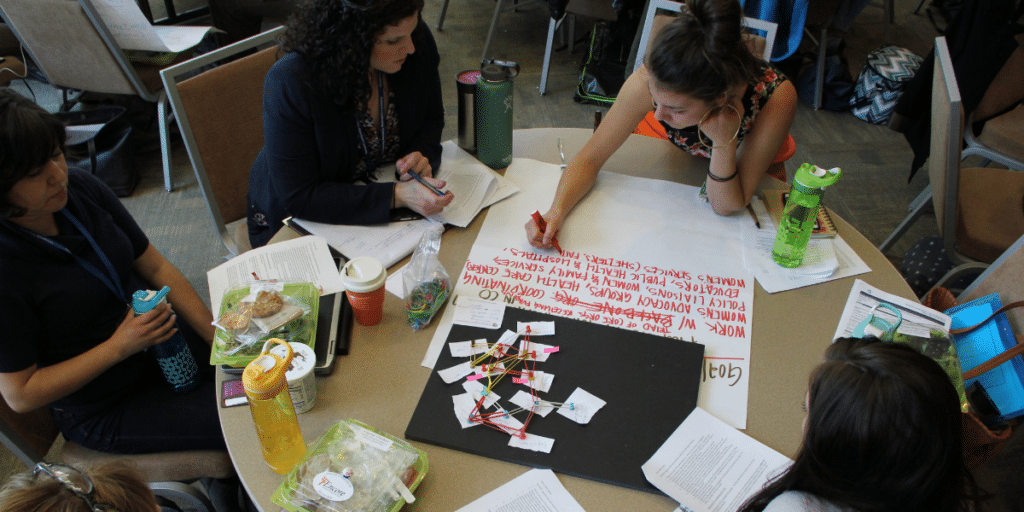
Use Network Visualizations to Surface Gaps and Opportunities: Share your latest map at a meeting and ask: “Where do we see under-connected partners?” “Who’s overburdened?”
Survey Members to Track Trust, Value, and Engagement Over Time: Use a short, recurring survey (quarterly or biannually) to measure network health and adapt strategies.
💡 Pro Tip: In PARTNER CPRM, you can run trust/value diagnostics and link them directly to your coordination plan.
Create a Shared Operating Picture: Ensure everyone sees the same current information about who’s doing what, what’s complete, and what’s next.
💡 Pro Tip: Even a simple Google Sheet can work—just make it live and visible to all.
Document and Share Protocols for Common Processes: Standardize the high-friction handoffs—like referrals, data sharing, or media requests—so they’re smooth and predictable.
Network Coordination Tools
These are your instruments—the systems and resources that make coordination possible and visible.
- Network Management Platforms (e.g., PARTNER CPRM): Visualize relationships, roles, and information flows to spot gaps and strengths. Track changes over time.
- Facilitation Frameworks: Use structured meeting formats like Liberating Structures or ToP Facilitation Methods to keep sessions inclusive, focused, and productive.
- Shared Resource Directories: Maintain a living directory of partner contacts, expertise, and available resources so members can self-serve.
- Communication Platforms (Slack, Teams, Basecamp): Create clear channels for different types of coordination (daily updates vs. strategic decisions). Avoid burying decisions in long email threads.
- Shared Dashboards (Trello, Airtable, or CPRM dashboards): Keep tasks, deadlines, and owners visible to all so no one has to guess “where things stand.”
Bottom line: Effective network coordination is part relationship-building, part systems design, and part habit-forming. Start small, focus on making work easier for others, and build your systems and trust in parallel.

Network Coordination Best Practices
Stepping into a network coordinator role requires that you’re both a connector and a problem-preventer. These proven practices will help you build trust, keep partners aligned, and make sure work moves forward smoothly.
Start with Clear Governance and Decision Rights:
Define how decisions get made, who has authority, and how disagreements are resolved. It removes ambiguity and speeds up coordination from day one.
Invest in Relationships Before You Need Them
Schedule informal touchpoints and check-ins outside of crisis moments. Trust built early becomes the “oil” that keeps the network moving smoothly later.
Maintain a Shared Operating Picture
Use live dashboards, shared trackers, or CPRM views so everyone sees the same, up-to-date information. It prevents misalignment and duplicate work.
Balance Central Structure with Local Flexibility
Set core standards and protocols but give partners room to adapt for their own context. This keeps work coherent without stifling innovation.
Common Pitfalls to Avoid
Lorem ipsum dolor sit amet,
Even the most experienced coordinators can fall into traps that slow progress or damage relationships. Watch out for these common missteps so your network stays healthy and effective.
Relying on Ad-Hoc Communication
Only using email or unstructured chats leads to lost decisions and unclear responsibilities. This slows down action and frustrates partners.
Over-Centralizing Everything
Trying to control every detail from the center creates bottlenecks and burns out coordinators. Eventually, partners disengage or find workarounds outside the network.
Ignoring Incentive Misalignment
Assuming everyone is equally motivated by the same outcomes. This mindset leads to stalled decisions and hidden resistance.
Skipping Measurement and Feedback Loops
Not tracking trust, engagement, and process performance over time. The problems in their network fester unseen until they become crises.
PARTNER CPRM: Powering Effective Network Coordination
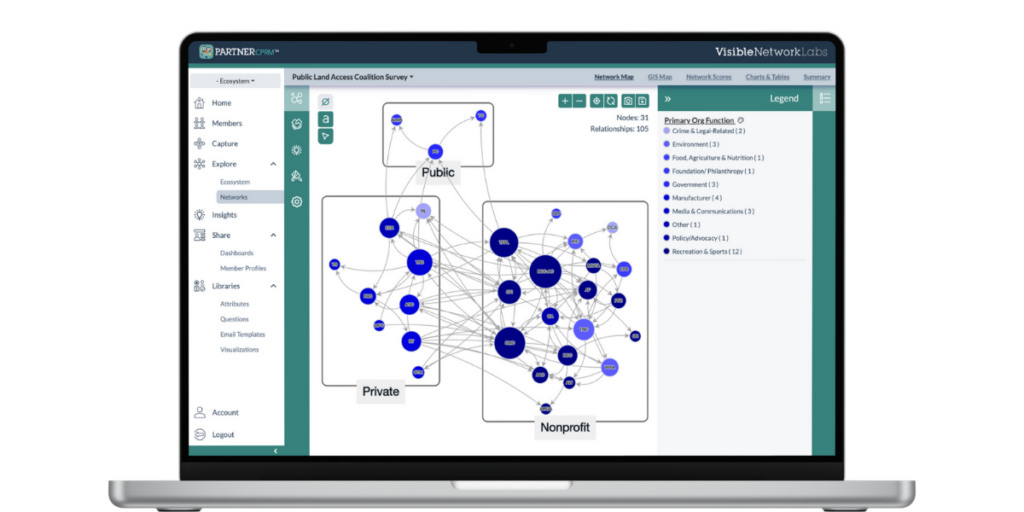
Coordinating a network is much easier when you can see it. That’s where PARTNER CPRM, our network coordination and mapping software comes in. Our ecosystem tracking platform helps you:
- Centralize and manage partner relationship data.
- Map and visualize your network’s structure.
- Measure trust and value across members.
- Share interactive, public-facing dashboards to engage stakeholders.
And with VNL’s network science team, you can go even further:
- Enterprise-level evaluation and strategy.
- Custom network analysis and reporting.
- Capacity-building and training for network coordinators.
Ready to strengthen your network? Request a demo to schedule a consult with a VNL network expert today.
Final Thoughts
Effective network coordination isn’t just a nice-to-have—it’s essential for any multi-stakeholder initiative that aims to create lasting impact. By implementing the strategies, tools, and tactics outlined in this guide, you can transform disconnected partners into a cohesive, resilient network that achieves more together than any single organization could alone.
As you apply these principles to your own network, start small and build momentum. Focus first on establishing clear coordination structures and processes, then gradually layer in more sophisticated measurement and improvement cycles. The most successful network coordinators are those who view their role not as controllers, but as enablers—creating the conditions for collective intelligence and distributed leadership to flourish.
Get our monthly newsletter with resources for cross-sector collaboration, VNL recommended reading, and upcoming opportunities for engaged in the “network way of working.”
Frequently Asked Questions (FAQs)
Network coordination can feel abstract until you break it down into practical questions and answers. This FAQ covers the most common—and most important—things you need to know to design, manage, and improve coordination in your network.
Q: What is network coordination?
A: Network coordination is the intentional alignment of actions, resources, and communication across multiple organizations or actors to achieve a shared goal more efficiently and effectively. It involves structuring interactions, clarifying roles, and managing dependencies so the whole network can act as a coherent system.
Q: How is network coordination different from collaboration?
A: Coordination focuses on aligning existing activities and resources to fit together smoothly. Collaboration goes further—co-creating new solutions together. You can have coordination without collaboration, but most effective networks use both.
Q: Why is network coordination important in cross-sector work?
A: In cross-sector efforts, no single organization can address complex challenges alone. Coordination ensures that diverse actors work in sync, prevent duplication, and close service gaps—critical for public health, education, climate resilience, and other systems-level change efforts.
Q: What are the main components of effective network coordination?
A: Most research and practitioner models agree on four pillars:
- Structure: Governance, roles, and network design.
- Processes: Meeting rhythms, protocols, decision-making methods.
- Relationships: Trust, mutual value, shared understanding.
- Resources: Funding, tools, time, and data infrastructure.
Q: How do you measure coordination success?
A: Key indicators include:
- Efficiency: Time to decision, on-time task completion.
- Effectiveness: Percentage of shared goals achieved.
- Quality: Partner satisfaction, trust scores.
Tools like PARTNER CPRM make these visible over time, linking network data to performance.
Q: What role does trust play in network coordination?
A: Trust is the lubricant that keeps coordination from grinding to a halt. High-trust networks share information faster, resolve conflicts more easily, and are more resilient under stress, even when incentives aren’t perfectly aligned.
Q: How do you align incentives across diverse partners?
A: Start by mapping each partner’s goals and constraints, then identify overlapping wins. Use benefit-sharing, recognition, and policy levers to close gaps. Research shows incentive misalignment is a major drag on coordination, especially in low-connectivity networks.
Q: What tools are best for managing network coordination?
A: Essential tools include:
- Network mapping & analysis: PARTNER CPRM, Kumu.
- Shared workspaces: Slack, Teams, Miro.
- Decision logs & trackers: Airtable, Asana.
- Resource directories: Google Drive, Notion.
The right mix depends on your governance model and network maturity.
Q: How do you handle conflict in network coordination?
A: Have an escalation path and agreed conflict resolution methods before issues arise. Use neutral facilitation, time limits, and transparent decision-making to keep disputes from derailing the network.
Q: How does PARTNER CPRM support network coordination?
A: PARTNER CPRM combines relationship management, trust/value diagnostics, and network mapping in one platform. It lets you see who’s connected, track engagement, identify gaps, and measure progress—turning coordination from a “black box” into something you can see and improve.
Related Resources
Want to learn more about coordinating networks and ecosystems? Continue your research with these additional network coordination articles, research, and resources.
- What is coordination and why is it so important to effective networks? – socialroots
- Connected Coordination: Network Structure and Group Coordination – University of California
- Types of Organizational Networks: 6 Ways to Organize a Network – Visible Network Labs
- 12 Basics for Assessing Network Conditions and Performance – Network Impact
- A Manager’s Guide to Choosing and Using Collaborative Networks – IBM Center